If you are thinking about selling a Stanford or Smithfield Valley property, the right question is usually not What is the perfect month? It is When will my property be truly ready, and when will it show at its best? In this part of Dutchess County, timing is tied to far more than the calendar. Land, access, weather, presentation, and documentation all shape the result. This guide will help you decide when to launch, how far ahead to prepare, and what matters most in this rural market. Let’s dive in.
Why timing works differently here
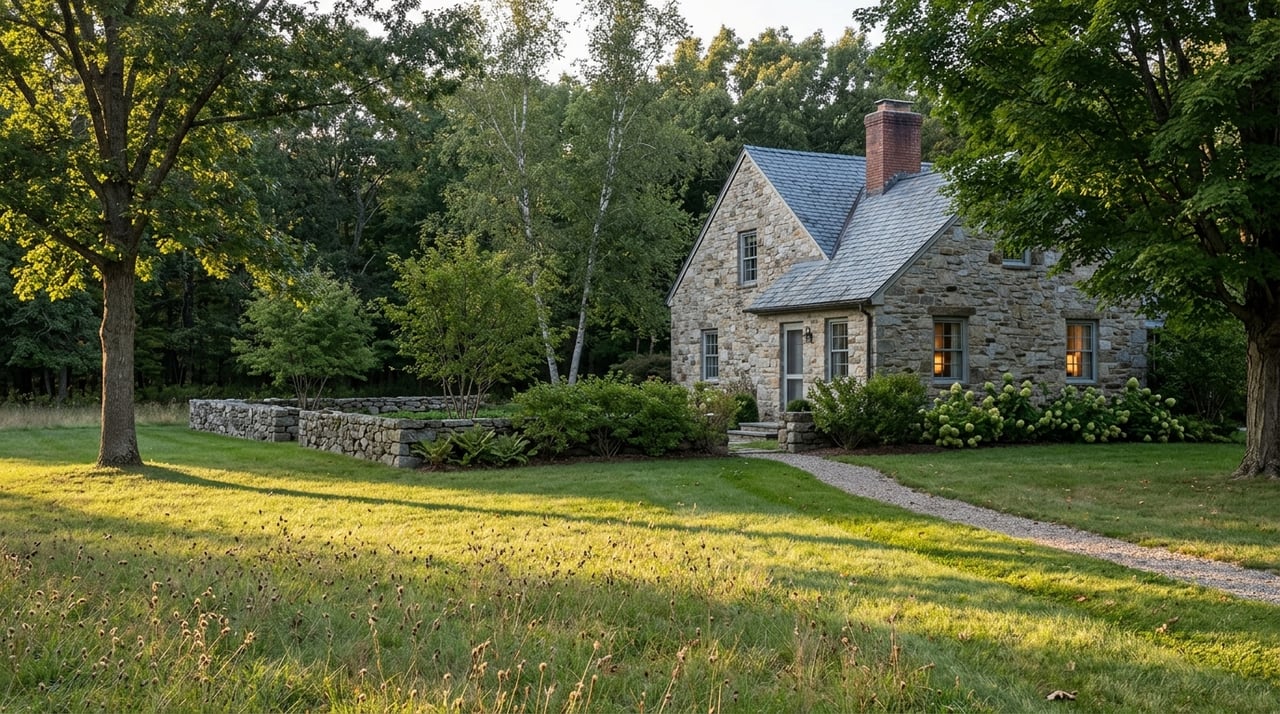
Stanford sits in a part of Dutchess County that New York State describes as rural, with large farmlands and countryside character. That matters because a Stanford or Smithfield Valley sale is rarely a standard suburban listing. Buyers are often evaluating the house, the land, the approach, and the overall experience of the property at the same time.
That is also why broad county trends only tell part of the story. In Q1 2026, Dutchess County had 465 homes for sale, 2.7 months of supply, a median sales price of $495,000, 65 days on market, and sellers received 97.2% of original list price on average. Those are healthy numbers, but Stanford’s own March 2026 snapshot looked thinner and slower, with 15 homes for sale, a median list price of $824,500, and a median 168 days on market.
For you as a seller, the takeaway is simple. A niche rural market rewards careful positioning. Timing still matters, but pricing, preparation, and presentation often matter just as much.
The best listing window is usually a season
If you are hoping for one magic week, spring data does offer a useful benchmark. Realtor.com identified April 12 through April 18, 2026, as the strongest week nationally to sell, and OneKey MLS reported rising pending sales and new listings in April 2026 across the New York metro service area, including Dutchess County.
Still, spring is not automatically best for every property. More buyer activity often arrives in spring, but so does more competition. In a place like Stanford or Smithfield Valley, your launch window should match when the home and land look their most complete and appealing.
For many country properties, that points to April through early summer. By then, temperatures are milder, the grounds begin to green up, and showings are usually easier to schedule and navigate. NOAA normals for Dutchess County show mean temperatures rising from 49.0°F in April to 59.5°F in May and 68.4°F in June, which generally supports better exterior presentation.
An early fall launch can also work well, especially if the property shows beautifully before leaf drop. September’s average temperature of 63.9°F often supports comfortable showings, and the landscape can still feel polished and inviting.
When spring may be right
Spring tends to be the strongest window if your property benefits from:
- Fresh lawn growth and leaf-on trees
- Gardens, fields, or views that look fuller with seasonal color
- Long driveways or approaches that are easier to navigate in milder weather
- Outdoor living areas such as patios, yards, or gathering spaces
Spring can also help if you want to meet buyers when activity is picking up. OneKey MLS reported a 9.1% increase in pending sales and a 10.1% increase in new listings in April 2026, while months of supply remained below a balanced market level.
That said, the increased listing volume means you need to be ready before you go live. If your property reaches the market half-finished, spring competition can make that more noticeable.
When early fall may be smarter
Not every country property is at its best in spring. Some homes and estates feel more settled and complete in late summer or early fall, especially if the grounds need extra time or the seller needs a longer runway for repairs and records.
An early fall launch may make sense if:
- Your landscaping peaks later in the season
- Summer gives you time to finish driveway or exterior work
- Outbuildings, fields, or acreage need cleanup and clearer definition
- You want to avoid rushing into the spring market before the property is fully prepared
In many cases, a polished early fall launch is stronger than an early spring listing that feels unfinished. Readiness often beats speed.
Why winter and mud season need extra planning
You can absolutely sell a Stanford or Smithfield Valley property in winter or during mud season, but it often takes more effort. Colder temperatures, dormant landscaping, and more difficult access can make a country property harder to photograph and show at its best.
NOAA’s local normals show January and February averaging 27.1°F and 29.2°F. Those conditions do not prevent a sale, but they can make exterior presentation and buyer logistics more challenging.
If you do list in winter, expect to put more attention into:
- Keeping the driveway and entry clear
- Making exterior maintenance obvious
- Using strong photography and complete listing materials
- Answering buyer questions early with organized records
Start preparing earlier than you think
Most sellers benefit from a 60 to 90 day preparation window. Zillow recommends a general runway of 8 to 12 weeks for major preparation, 6 to 8 weeks for repairs, 4 to 6 weeks for decluttering and staging, 2 to 4 weeks for photography and listing materials, and 1 to 2 weeks for final touches.
For a country property, estate, farm, or larger acreage parcel, you will often want even more time. That is because the work may go beyond the house itself. You may need to manage land cleanup, driveway work, outbuilding repairs, survey review, and document gathering before the property is ready for market.
A practical way to think about timing is this: if you want to list in April or May, start planning in winter. If you want to list in early fall, begin the process in late spring or early summer.
What market-ready means for rural property
In Stanford and Smithfield Valley, market-ready usually means more than a tidy interior. Buyers are evaluating how the property lives, how the land functions, and how easy it is to understand what they are buying.
A strong pre-listing standard often includes:
- A clear, well-maintained driveway and approach
- Controlled landscaping and clean sight lines
- Repaired or stabilized exterior elements
- Organized records for the house, land, and improvements
- High-quality photography that explains both the home and the setting
Zillow specifically emphasizes repairs, decluttering, curb appeal, photography, disclosure organization, and smooth showing logistics. In a rural market, those basics matter even more because buyers may arrive with more questions and fewer nearby comparable properties to guide them.
Gather land and zoning details before launch
One of the most useful steps you can take is to confirm key property details before the listing goes live. Dutchess County offers parcel lookups, zoning maps, and an Agricultural District viewer that can help you verify how the property is described and what buyers may ask about.
If your property includes significant acreage, farm elements, or land-use questions, this work should happen early. The county’s Agricultural District viewer shows District 21 boundaries and notes an annual inclusion window from April 15 to May 14, which may be relevant for some sellers.
You do not need to overwhelm buyers with paperwork. You do want to be prepared with clear records, maps, and explanations if questions arise.
What buyers are responding to now
Recent buyer behavior suggests that lifestyle and function carry real weight. Zillow’s 2025 search trends showed increased interest in features such as pool, patio, yard, view, lake, dock, river, waterfront, ADU, guest house, fenced yard, and garden.
For a Stanford or Smithfield Valley listing, that does not mean acreage has lost value. It means acreage alone may not tell the full story. Buyers are often more responsive when they can quickly understand how the property supports privacy, outdoor living, flexible guest or work space, and day-to-day comfort.
That is especially important in a market where buyers may be selective. Stanford’s longer days on market suggest that clear photography, accurate pricing, and a well-framed property story can make a meaningful difference.
A practical timeline to aim for
If you are trying to decide when to list, this planning sequence is often the most effective:
3 to 6 months out
- Decide on your target season
- Review parcel, zoning, and land records
- Identify repairs, cleanup, and presentation priorities
- Start gathering records for the home, acreage, and outbuildings
2 to 3 months out
- Complete repairs and exterior work
- Declutter and simplify interiors
- Refine landscaping and access points
- Begin planning photography and marketing materials
2 to 4 weeks out
- Finish final touch-ups
- Confirm the property is easy to show
- Complete photography and visual assets
- Finalize pricing and launch strategy
This kind of lead time gives you options. It also reduces the risk of listing because the calendar says spring, even though the property itself is not ready.
So, when should you bring it to market?
For many Stanford and Smithfield Valley properties, the strongest answer is: bring it to market when the house is fully prepared and the land looks its best. In practice, that often means an April through early summer launch, or an early fall launch for properties that benefit from a later seasonal window.
If you are selling a farm, estate, or large acreage parcel, build in more lead time than you think you need. Rural properties ask buyers to evaluate more, and that means your preparation has to do more too.
When timing, pricing, and presentation align, even a thinner market can reward careful strategy. If you are considering a sale and want a measured plan tailored to your property, Hudson Valley Team at Compass can help you map the right timing, preparation, and marketing approach.
FAQs
When is the best season to list a Stanford or Smithfield Valley property?
- For many properties, spring through early summer is a strong window, with early fall also working well when the land and exterior presentation are especially strong.
How early should you start preparing a Stanford or Smithfield Valley home for sale?
- Most sellers should allow at least 60 to 90 days, and country properties often need a longer runway for land work, repairs, and document gathering.
Does spring always beat fall for a Dutchess County country property sale?
- No. Spring often brings more buyer activity, but early fall can be the better choice if your property will show more completely and with less rush.
What should you organize before listing a Stanford or Smithfield Valley acreage property?
- It is wise to verify parcel details, review zoning, check agricultural district status if relevant, and gather supporting records before the property goes live.
What features matter most to buyers looking at country property in Stanford or Smithfield Valley?
- Buyers are often drawn to usable outdoor space, privacy, flexible guest or work areas, and a property that feels comfortable, functional, and easy to understand.