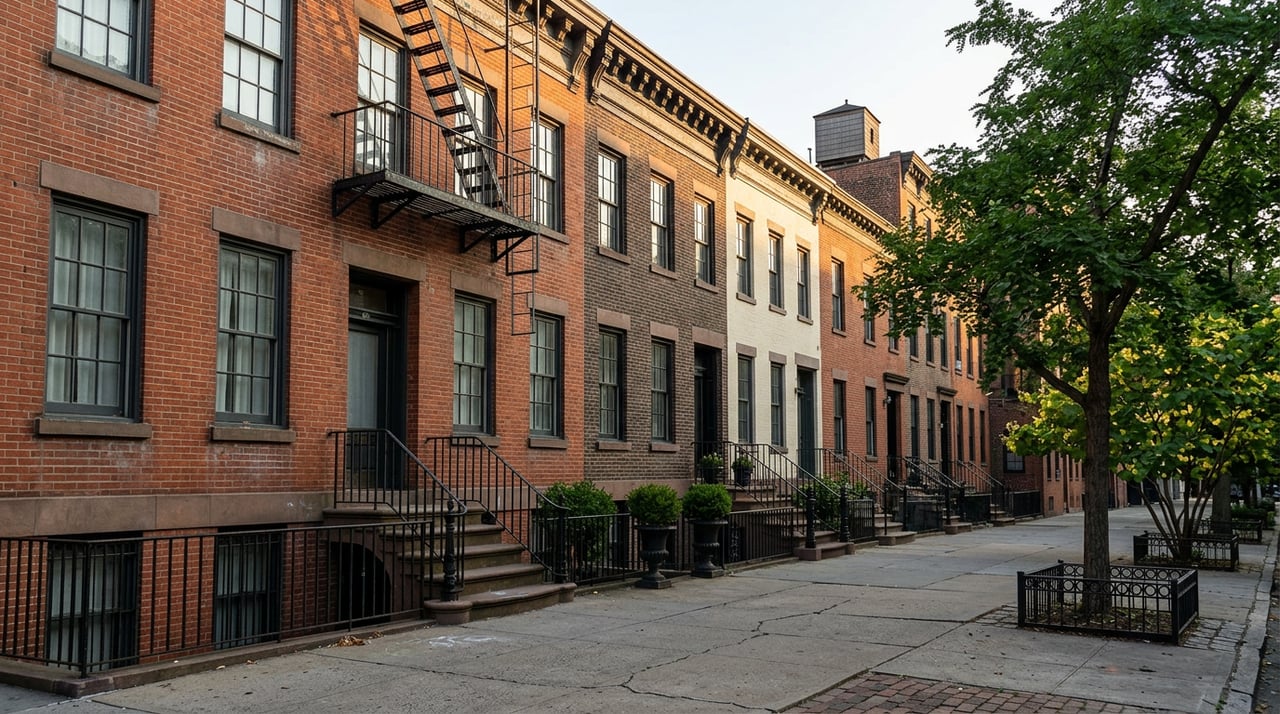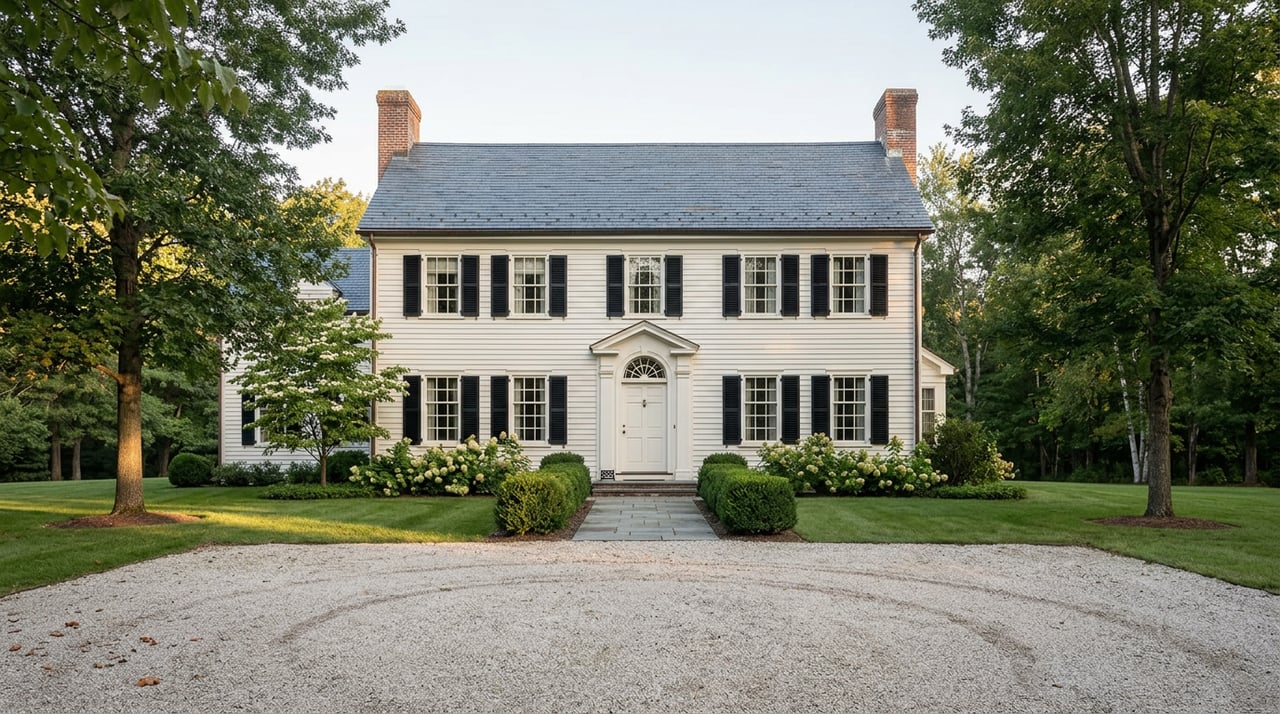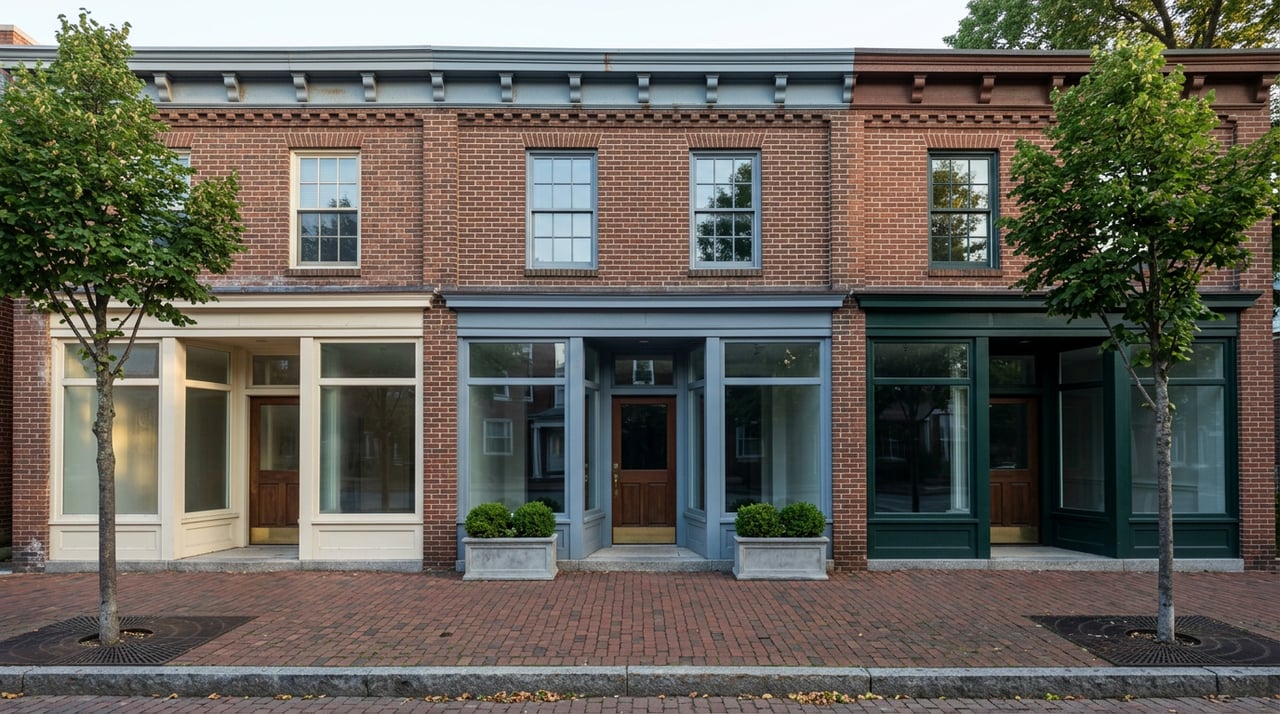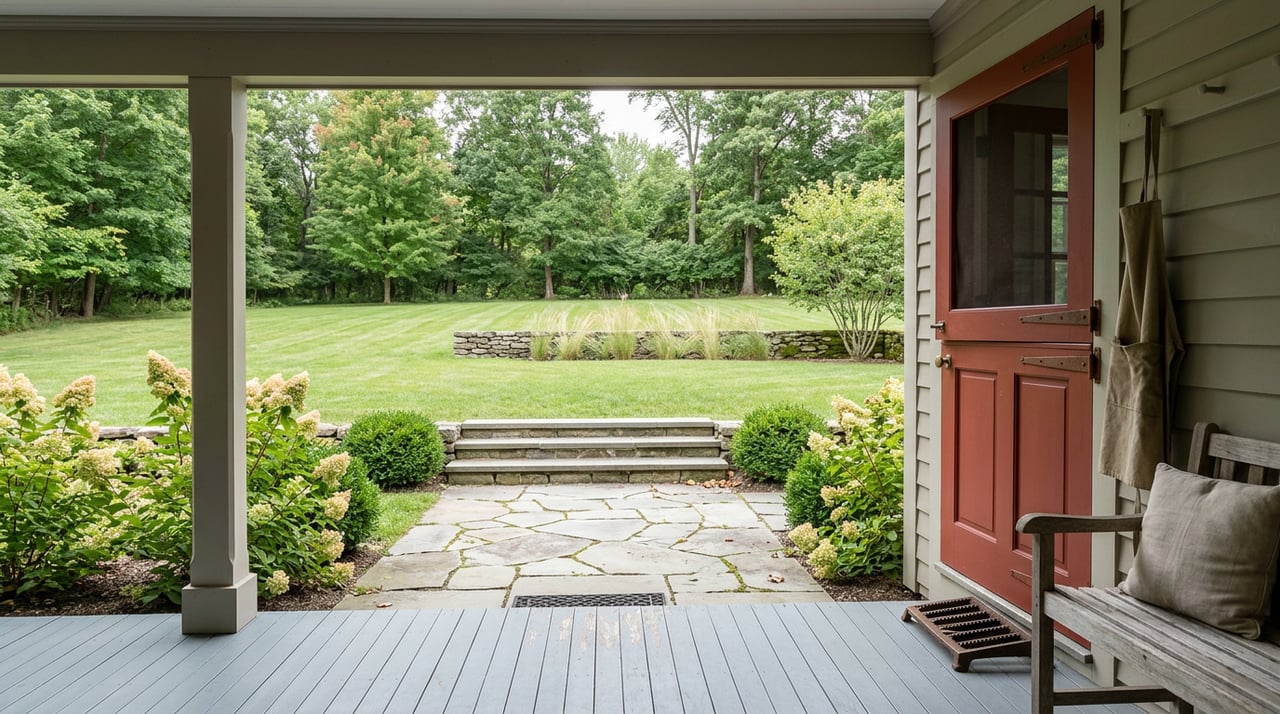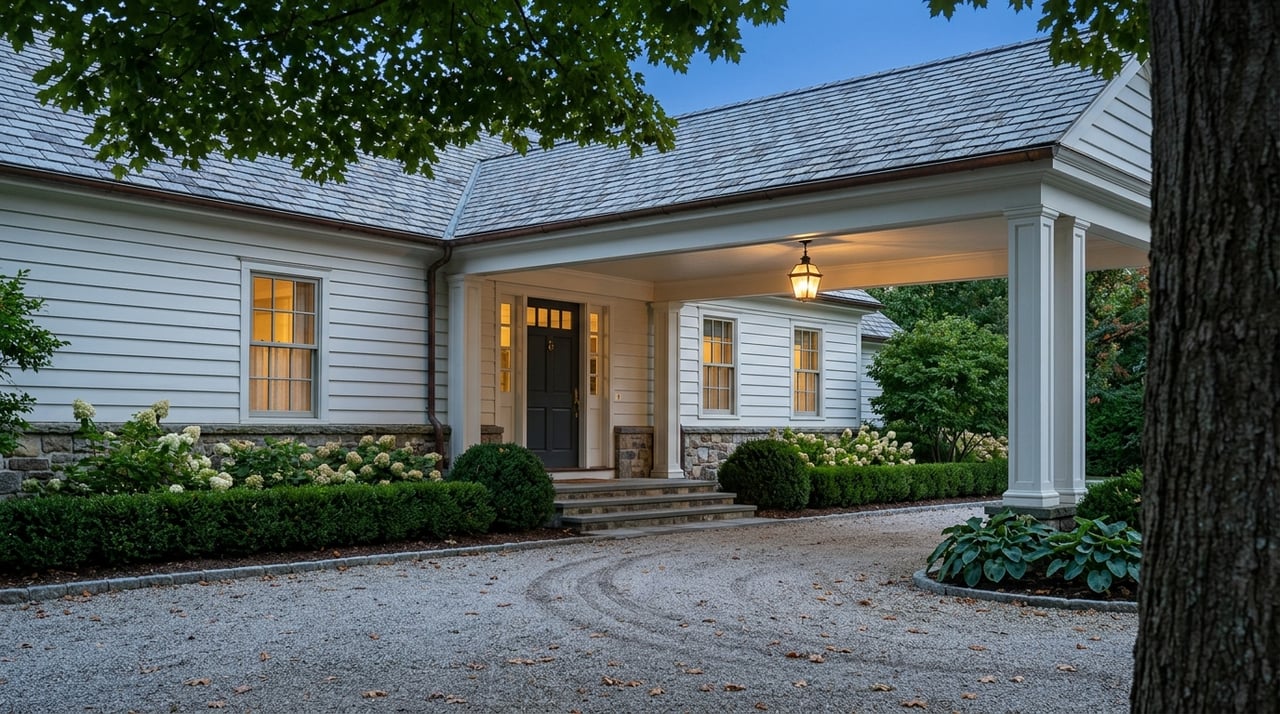
If you are planning to tour a country estate in Millbrook, it helps to look beyond the house itself. In this part of Dutchess County, the setting, land rules, access, and infrastructure can shape your ownership experience just as much as the architecture. A beautiful first impression matters, but informed buyers know the right questions can protect both lifestyle and long-term value. Let’s dive in.
Why Millbrook estates require deeper due diligence
Millbrook sits in a rural part of Dutchess County where land, privacy, and landscape often define the property as much as the residence. Local context includes former farmhouses, working farms, equestrian parcels, estate compounds, and designed landscapes where topography, water, and vegetation are central features.
That means two estates with similar square footage can offer very different ownership realities. One may be straightforward to maintain, while another may involve wetlands, easements, private-road responsibilities, or restrictions tied to land use. Before you tour, it helps to understand that estate buying here is as much about the parcel as the house.
Look at the land, not just the listing
In Millbrook, the landscape is often the main amenity. Sloping ground, rocky terrain, mature trees, ponds, fields, and long approach drives can create a strong sense of privacy and character.
They can also affect what you can build, alter, or maintain. A parcel with open meadows may sit near active agricultural land, while a wooded property may include environmental constraints that are not obvious from photos or a short showing.
Key estate types you may encounter
Buyers in the Millbrook area commonly come across several property types:
- Former farmhouses
- Working farms
- Equestrian parcels
- Turn-of-the-century estate compounds
- Large-acreage land holdings
- Properties with designed gardens and landscape features
Each type brings its own questions. A farm parcel raises different concerns than a historic estate compound, and an equestrian property may involve separate zoning considerations for stables or related uses.
Understand historic status before you assume anything
Older homes are a major part of Millbrook’s appeal, but age alone does not tell you how a property is regulated. Dutchess County historical materials distinguish between properties that may be clearly eligible, potentially eligible, or altered enough that their historic integrity has changed.
Just as important, historic recognition and historic regulation are not the same thing. National Register listing does not automatically place federal restrictions on a private owner, while state or local review may still matter depending on the property and the work proposed.
Questions to ask about historic properties
Before or during a tour, ask whether the property is:
- Merely included in a historic survey
- Individually listed
- Part of a historic district
- Subject to local review for changes
- Located in an area with land conservation or historic-resource provisions
This distinction matters if you are thinking about additions, exterior alterations, barn rehabilitation, or landscape changes. A buyer should never assume an old house is fully protected, and should not assume a recognized property is unrestricted either.
Check zoning overlays early
For Millbrook-area estate buyers, the Town of Washington zoning code is a core part of due diligence. Local rules include an Aquifer Protection Overlay District, an Agricultural Protection Overlay District, Environmental Preservation District regulations, and Land Conservation districts for areas such as wetlands, swamps, or floodplains not suited for development.
These overlays can affect what you may be able to do with the land after closing. If you are considering a guest house, barn conversion, new accessory housing, solar installation, or future subdivision, those plans may require review or approval.
What town review can cover
The local Planning Board reviews matters such as:
- Subdivisions
- Lot line modifications
- Site plans
- Special permits
- Wetland permit applications
The Building Department and Zoning Administrator also review applications and enforce the zoning code. In practical terms, this means a property’s future potential should be verified rather than assumed.
Farming activity may be part of the setting
Many buyers are drawn to Millbrook for open land and pastoral views. It is important to understand that nearby agricultural activity may be part of that environment, not an exception to it.
Dutchess County has a certified Agricultural District that covers the whole county, and the county’s right-to-farm law applies to property in a state-certified agricultural district and to farm operations following generally accepted agricultural practices. If a property is near open land, you should evaluate how comfortable you are with the realities of farming activity nearby.
Access can be a bigger issue than expected
Driveway and road access deserve close attention before you get too attached to an estate parcel. In rural properties, access affects not just convenience, but also approvals, maintenance, and future site plans.
If a home fronts a state highway, a residential driveway permit is required. Dutchess County also requires a permit for driveway access to county highways, and its policy generally limits each residential tax parcel to one driveway onto a county highway.
Why access questions matter
Ask these questions early:
- Does the property front a state, county, local, or private road?
- Is the existing driveway fully permitted?
- If there is a private road, who maintains it?
- Are there recorded road easements?
- Would future changes to access be limited by current rules?
This is especially important if you are touring large parcels with long drives or considering additional structures. A property that already has access from one road may not be able to add another driveway onto a county highway.
Wells and septic should be part of every tour conversation
For estate properties, private infrastructure often matters as much as finishes and floor plans. Dutchess County states that private-well monitoring is the homeowner’s responsibility and recommends annual coliform testing through a New York State-approved lab.
You should also ask about well depth, construction date, and potential contamination sources, including failing septic systems or underground fuel tanks. These are not small details on large-acreage properties. They are part of the real cost and risk picture.
Septic questions worth asking
New York State guidance emphasizes regular pump-outs, maintaining records, mapping components, and keeping heavy vehicles and structures off the absorption field. During due diligence, a buyer should ask:
- How old is the septic system?
- When was it last serviced or pumped?
- Are records available?
- Where are the system components located?
- Have there been any known repairs or capacity issues?
A beautiful lawn or field may hide infrastructure that needs protection. Knowing where these systems are located can influence landscaping, parking, and future building plans.
Read easements carefully
Conservation easements are a common variable in rural New York estate ownership. These are legal agreements recorded with the deed that permanently restrict certain future land use and development rights.
Some easements still allow agriculture, forestry, or recreation, but the exact terms vary by property. That is why you should read the recorded easement itself rather than rely on listing language or assumptions.
Easements that buyers should investigate
On a Millbrook estate, you may want to confirm whether there are:
- Conservation easements
- Road or driveway easements
- Utility easements
- Access rights benefiting neighboring parcels
- Restrictions affecting future subdivision or new construction
For legacy properties, these documents can shape how the land is used for decades. They are central to understanding what you are really buying.
Parcel data is a starting point, not the final answer
Dutchess County offers GIS and Natural Resource Inventory tools with parcel information, transportation, zoning, natural resources, historical aerial photography, and more. These tools are useful for early screening, especially when comparing several large properties.
Still, county guidance is clear that these maps are not a substitute for site-specific studies. On estate parcels with streams, woods, wetlands, or long driveways, buyers should expect survey, title, wetlands, and soil work to remain essential.
Questions to answer before you tour seriously
If you want to tour Millbrook country estates with a sharper eye, focus on a few practical questions first. They can help you identify whether a property is simply attractive or truly aligned with your goals.
Your pre-touring checklist
- What zoning overlays apply to the parcel?
- What uses are allowed as of right, and what may need town review?
- Are any conservation easements or road easements recorded?
- How old are the well and septic systems?
- Who maintains the driveway or private road?
- Would additions, barns, guest houses, solar arrays, or subdivision plans require approvals?
- Is the surrounding area influenced by active agricultural use?
- Is the property historic in a way that changes future renovation plans?
These questions do not take the romance out of estate shopping. They help you protect it by making sure the property can support the life you have in mind.
Why local guidance matters in Millbrook
Country-estate buying in Millbrook is highly specific to parcel, topography, zoning, and local process. A listing may capture the charm of the house, but experienced guidance helps you evaluate stewardship, constraints, and opportunity together.
That is especially true for historic estates, farms, equestrian properties, and large-acreage holdings where the right buyer strategy begins before the second showing. With the right preparation, you can tour more confidently, ask better questions, and move toward a purchase with far fewer surprises.
If you are considering a Millbrook estate and want discreet, informed guidance tailored to the realities of country property, connect with Hudson Valley Team at Compass.
FAQs
What should buyers know before touring a Millbrook country estate?
- You should review zoning overlays, access, easements, well and septic age, road maintenance, and any historic or land-use constraints before assuming the property fits your plans.
How does historic status affect a Millbrook estate purchase?
- A property may be surveyed, listed, part of a district, or subject to local review, and each status can affect future changes differently.
What zoning issues matter for estate properties in Millbrook?
- Buyers should check for aquifer, agricultural, environmental preservation, and land conservation overlays because they can affect development, additions, and land use.
Are wells and septic systems common on Millbrook estate properties?
- Yes, many larger properties rely on private well and septic systems, so buyers should ask about age, service history, testing, and system location.
Why do access and driveway rules matter for Millbrook buyers?
- Driveway permits and road frontage rules can affect legal access, future changes, and maintenance responsibilities, especially on state, county, or private roads.
What is a conservation easement on a Millbrook estate?
- It is a recorded legal agreement that permanently restricts certain land-use and development rights, and the exact terms must be reviewed property by property.